


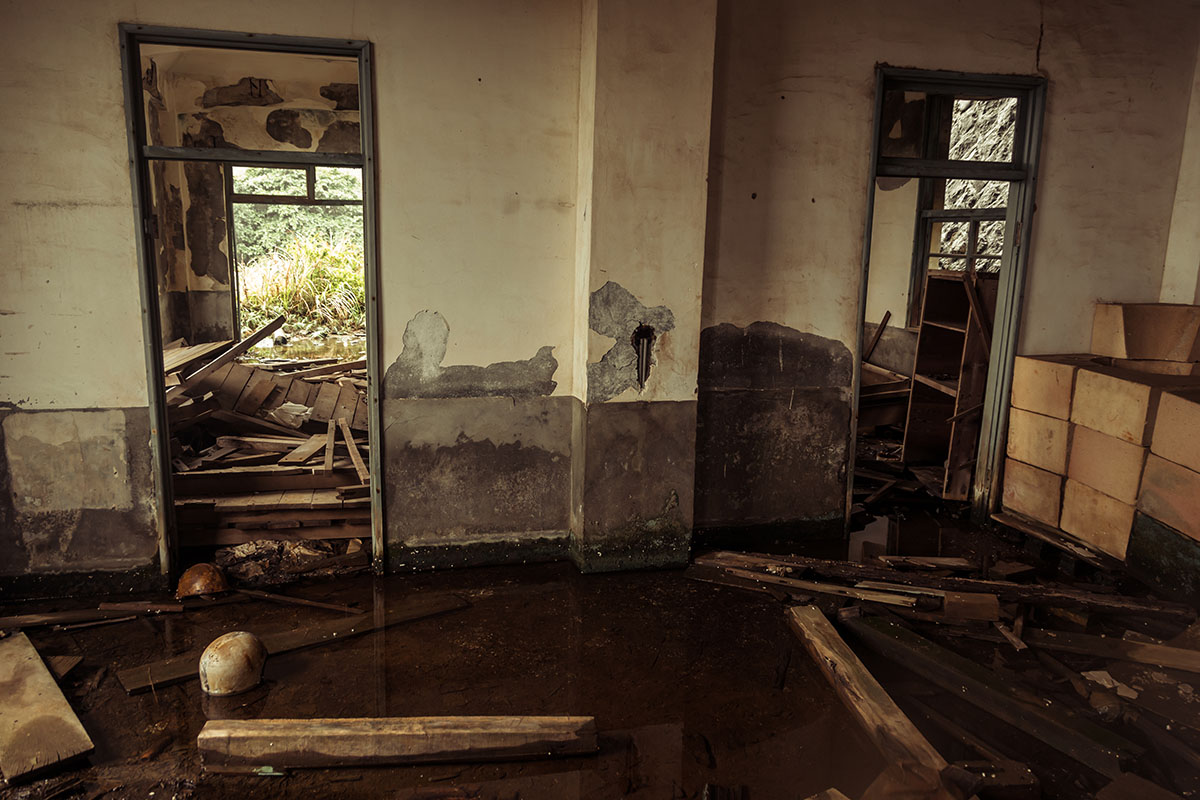
Water damage can strike unexpectedly, wreaking havoc on homes and businesses in Kansas City. Whether it’s a sudden burst pipe, torrential rain, or flooding from the nearby Missouri River, the aftermath of water damage requires swift action. In this guide, we’ll explore the critical steps for effective water damage cleanup in Kansas City, highlight the importance of professional services, and offer practical tips for homeowners and business owners to mitigate damage and restore their properties.
Understanding the Impact of Water Damage
Water damage can escalate rapidly, transforming a minor inconvenience into a major crisis. Within minutes, water seeps into walls, floors, and furniture, causing structural issues and promoting mold growth. The longer water sits, the more extensive the damage becomes. Common sources of water damage in Kansas City include:
- Heavy rains and flooding
- Burst or leaking pipes
- Sewage backups
- Appliance malfunctions (water heaters, washing machines)
Kansas City’s variable weather, from intense summer storms to winter freezes, makes the region particularly susceptible to water-related incidents.
Why Prompt Water Damage Cleanup Matters
Prompt action is crucial to minimize damage and reduce costs. Water left untreated can compromise a building’s structural integrity and create health hazards due to mold and bacteria growth. Effective water damage cleanup in Kansas City involves:
- Rapid water extraction to prevent further absorption into materials.
- Drying and dehumidification to eliminate moisture and inhibit mold growth.
- Cleaning and sanitizing to remove contaminants and prevent odors.
- Restoration and repairs to return the property to its pre-damage condition.
The Role of Professional Water Damage Cleanup Services
While DIY solutions may seem tempting, professional water damage cleanup services in Kansas City offer significant advantages:
- Advanced Equipment: Professionals use industrial-grade equipment, such as powerful water extractors, air movers, and dehumidifiers, to expedite the drying process.
- Expertise in Mold Prevention: Trained technicians can identify hidden moisture pockets that may harbor mold, ensuring comprehensive cleanup.
- Comprehensive Assessment: Professionals conduct thorough inspections to detect hidden damage and provide a complete restoration plan.
- Insurance Coordination: Reputable cleanup services often assist with insurance claims, easing the burden on property owners.
Steps for Effective Water Damage Cleanup
1. Ensure Safety First
Before beginning any cleanup, prioritize safety. Turn off electricity if water intrusion is near electrical outlets or appliances. Wear protective gear, such as gloves and boots, to avoid contact with contaminated water.
2. Stop the Source of Water
Identify and stop the water source immediately. Whether it’s shutting off the main water valve or addressing roof leaks, quick action can prevent further damage.
3. Remove Standing Water
Use pumps, wet vacuums, or buckets to extract standing water. The faster you remove the water, the less damage it will cause.
4. Dry and Dehumidify
Once the water is removed, thoroughly dry the affected area. Use fans, dehumidifiers, and ventilation to accelerate the drying process. Open windows and doors if weather permits.
5. Clean and Sanitize
Clean all surfaces with appropriate disinfectants to prevent bacteria and mold growth. Pay special attention to porous materials like carpets and upholstery, which may need professional cleaning or replacement.
6. Repair and Restore
Inspect for structural damage and repair compromised areas. This may involve replacing drywall, flooring, or insulation. Ensure the property is fully restored to prevent future issues.
Preventive Measures to Avoid Future Water Damage
Taking proactive steps can reduce the risk of water damage:
- Regular Maintenance: Inspect and maintain plumbing, roofing, and gutters regularly.
- Install Sump Pumps and Backflow Valves: These devices can protect your property from flooding and sewage backups.
- Seal Foundation Cracks: Ensure your home’s foundation is sealed to prevent water infiltration.
- Monitor Weather Conditions: Stay informed about weather alerts and take precautions during heavy rains.
Choosing the Right Water Damage Cleanup Service in Kansas City
When selecting a service for water damage cleanup in Kansas City, consider the following:
- Experience and Certification: Look for certified professionals with experience in water damage restoration.
- 24/7 Availability: Water emergencies can happen anytime, so choose a service that offers round-the-clock response.
- Customer Reviews and References: Check reviews and ask for references to gauge the quality of service.
- Insurance Assistance: Ensure the company can work with your insurance provider for seamless claims processing.
Conclusion
Water damage is a serious issue that demands immediate attention. Whether caused by natural disasters or plumbing failures, effective water damage cleanup in Kansas City is essential to protect your property and health. By understanding the steps involved, the importance of professional services, and preventive measures, you can be better prepared to handle water damage emergencies.
For those facing water damage, don’t hesitate to contact a trusted professional service to ensure a thorough and efficient cleanup process. Taking swift action can make all the difference in restoring your property to its former glory.
