


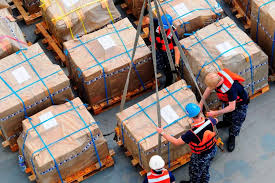
Navigating B2B shipping can be a complex task, but choosing the right method—freight or parcel shipping can make all the difference in cost efficiency, delivery speed, and overall satisfaction. Whether your business is moving pallets of goods or small individual packages, understanding the unique advantages and challenges of each shipping type is essential for optimizing your logistics. Let’s explore the distinct features of freight and parcel shipping to help you make an informed decision.
Understanding Freight Shipping: An Overview of Large Shipments
When it comes to shipping large quantities or oversized items, freight shipping is often the most viable option. It allows businesses to transport goods that would otherwise be too cumbersome for standard parcel services. Freight shipping encompasses a wide range of transportation methods and can handle diverse shipment types, making it ideal for many B2B scenarios.
Types of Freight Shipping:
- Less-than-Truckload (LTL): LTL is a popular choice for businesses with shipments that do not require an entire truck. Sharing space with other shippers helps reduce costs.
- Full Truckload (FTL): FTL is preferable when you need exclusive use of a truck, providing quicker transit times and minimal handling.
- Freight Forwarding: For complex, international shipments, freight forwarding combines multiple transport modes and manages logistics on your behalf.
Understanding the types of freight shipping available allows businesses to choose the most suitable option based on shipment size and destination.
Key Benefits of Freight Shipping:
- Cost Efficiency for Large Volumes: Freight shipping is often more economical for large-scale shipments due to its capacity to move goods in bulk.
- Versatility in Shipment Sizes and Weights: Whether shipping heavy machinery or bulk products, freight can handle various sizes and weights.
- Reduced Handling Risk: Freight shipping minimizes the risk of damage as there are fewer transfer points compared to parcel shipping.
With freight shipping in mind, let’s shift focus to smaller-scale shipments where parcel services may be more suitable.
What is Parcel Shipping?: Small, Individual Package Shipping
Parcel shipping steps in where freight shipping leaves off, offering a streamlined solution for smaller, lightweight packages. This method is ideal for businesses that need to send individual items or manage high-frequency shipping with predictable costs and reliable delivery times.
Key Features of Parcel Shipping:
- Speed and Flexibility: With various service levels, from standard to express, parcel shipping offers flexibility based on urgency and budget.
- Detailed Tracking and Transparency: Robust tracking options provide visibility from pickup to delivery, making it easy to monitor shipments.
- Access to Residential Addresses: Unlike freight, parcel carriers deliver directly to residential areas, expanding the range of delivery options.
Understanding these features highlights why parcel shipping is a preferred choice for businesses focusing on smaller, more frequent shipments.
Advantages of Parcel Shipping:
- Convenience for Small Shipments: Ideal for fulfilling e-commerce orders or sending out samples, parcel shipping simplifies logistics for small quantities.
- Lower Upfront Costs: For smaller items, parcel shipping offers competitive rates without the complexities of freight.
- Enhanced Delivery Options: Services like signature confirmation provide added security, making parcel shipping a reliable choice for sensitive deliveries.
Having explored the characteristics of parcel shipping, it’s time to compare costs between these two shipping methods to determine which option best suits your business needs.
Cost Comparison Breakdown: Freight vs. Parcel Pricing Differences
Choosing between freight and parcel shipping often comes down to cost. Understanding the factors that influence pricing for both options will help you decide which method aligns with your budget.
Freight Shipping Costs:
- Factors Affecting Costs: Freight costs depend on various factors, including distance, weight, and the type of service required. Additional services such as liftgate or inside delivery can also impact the total cost.
- Economies of Scale: Larger shipments benefit from reduced per-unit costs, making freight shipping more cost-effective for bulk goods.
- Variable Fees: Keep in mind potential surcharges for fuel, residential delivery, and other accessorial fees, which can add up quickly.
Understanding these cost components can help businesses better estimate their freight shipping expenses. Now, let’s see how parcel shipping costs compare.
Parcel Shipping Costs:
- Flat-Rate and Dimensional Pricing: Parcel carriers often utilize flat-rate boxes, making it easier to predict costs. Dimensional weight pricing, which considers the size and weight of a package, can also play a role.
- Higher Costs for Larger Items: Parcel shipping becomes less economical as package size and weight increase, especially compared to LTL freight.
- Volume Discounts: Regular shippers may qualify for discounts, but these savings are typically less substantial than the discounts available for freight.
With cost considerations in mind, it’s important to also evaluate the speed and delivery time of each method to ensure they meet your business’s expectations.
Speed and Delivery Time: Comparing Transit Times for Each
Shipping speed is a critical factor, especially for businesses with tight deadlines or urgent delivery needs. Let’s examine how freight and parcel shipping compare in terms of delivery time.
Freight Shipping Speed:
- Transit Times: While FTL shipping can be almost as fast as express parcel shipping over long distances, LTL shipments typically take longer due to multiple stops and handling.
- Expedited Options: Freight carriers offer expedited services, but they come at a premium. This option is useful when time-sensitive deliveries are a priority.
If delivery speed is a key concern for your business, understanding these options will help you choose the most appropriate freight service. Next, we’ll look at how parcel shipping fares in terms of delivery speed.
Parcel Shipping Speed:
- Standard and Express Options: Parcel services offer a range of delivery speeds, from standard ground shipping to same-day or overnight options.
- Greater Predictability: Due to their established networks, parcel carriers often provide more predictable and reliable delivery times, especially for shorter distances.
By comparing the speed and delivery options of both methods, you can determine which one best aligns with your business’s shipping schedule. Now, let’s explore specific scenarios to see when it’s best to use freight or parcel shipping.
When to Use Each: Best Scenarios for Freight or Parcel
Choosing the right shipping method depends on various factors, including the size of your shipment, urgency, and delivery location. Here’s a quick guide to help you decide when to use freight versus parcel shipping.
When to Use Freight Shipping:
- Bulk Shipments: Freight shipping is ideal for transporting large quantities or oversized items that are impractical for parcel services.
- Cost Efficiency for Large Volumes: If you have enough goods to fill a truck or a significant portion of one, freight shipping offers lower per-unit costs.
- Long-Distance or International Shipments: Freight is more suitable for long hauls or international shipments, especially when using freight forwarding services.
Understanding these scenarios will help you leverage freight shipping’s strengths. Now, let’s see when parcel shipping is the better option.
When to Use Parcel Shipping:
- Small, Lightweight Shipments: For sending individual items or small quantities, parcel shipping is convenient and cost-effective.
- Quick, Reliable Delivery: When you need faster delivery options, such as next-day or two-day shipping, parcel services offer the speed and predictability required.
- Residential Deliveries: If you need to ship to residential addresses, parcel carriers are equipped to handle these deliveries seamlessly.
By aligning your shipping strategy with these scenarios, you can choose the most efficient method for each situation. Now, let’s wrap up with some final thoughts to help you make an informed decision for your B2B shipping needs.
Wrapping Up Your B2B Shipping Strategy
Choosing the right shipping method for your business needs requires a thoughtful analysis of shipment size, cost constraints, and delivery expectations. Freight shipping shines for large, bulk shipments, offering cost efficiency and versatility. Meanwhile, parcel shipping is perfect for smaller, time-sensitive packages that need to reach diverse destinations quickly and reliably.
By evaluating your specific shipping requirements and understanding the strengths of each method, you can ensure that your business optimizes its logistics, reduces costs, and enhances customer satisfaction. Whether it’s freight or parcel, the right choice will keep your B2B operations running smoothly.
Apart from that, if you are interested to know about Heat-Treated Pallets 101: Securing Your International Shipments then visit our Business category.
