


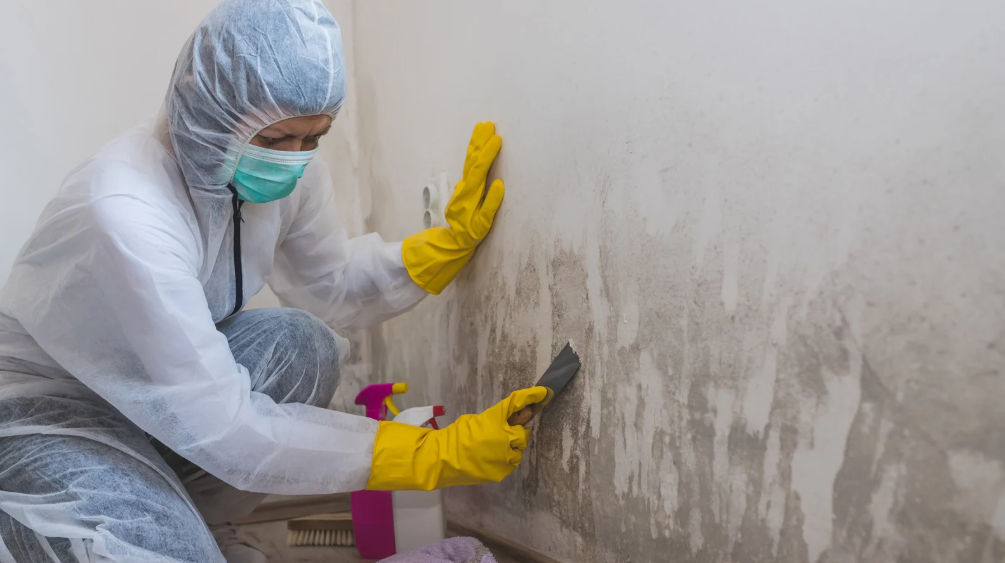
Discovering mold in your home is more than just a nuisance; it’s a potential health hazard that should be addressed immediately. Many homeowners underestimate the risks, often putting off professional attention in hopes the problem will resolve itself or isn’t serious. However, delaying action allows mold to spread, releasing harmful spores into the air you breathe every day. Postponing professional mold removal in Atlanta, GA, can lead to a variety of escalating health problems, turning a manageable issue into a significant threat to your family’s well-being and your home’s air quality.
The Impact on Respiratory Health
The most immediate and common health effects of mold exposure are related to the respiratory system. Inhaling mold spores can irritate the lungs and airways, leading to a range of uncomfortable and sometimes serious symptoms.
Allergic Reactions and Asthma
For individuals with allergies, mold spores act as potent triggers, causing symptoms like persistent sneezing, coughing, a runny or stuffy nose, and itchy, watery eyes. Those with asthma are particularly at risk, as exposure can lead to more frequent and severe asthma attacks. In some cases, prolonged exposure can even cause sensitive individuals to develop new allergies or asthma.
Hypersensitivity Pneumonitis
In less common but more serious instances, ongoing exposure to mold can lead to a condition called hypersensitivity pneumonitis. This is an immune system disorder that causes inflammation of the lungs. Symptoms can be similar to pneumonia and include shortness of breath, fever, and fatigue. If not addressed, it can lead to permanent lung damage.
Systemic and Long-Term Health Concerns
While respiratory issues are the most frequent complaint, the health risks of mold are not confined to the lungs. Certain types of mold produce mycotoxins, which can lead to more widespread health issues.
Toxic Mold Exposure
Some molds, often referred to as “toxic mold,” produce mycotoxins that can be absorbed into the body through inhalation or skin contact. Long term exposure to these toxins has been linked to a range of serious health problems, including neurological symptoms like headaches, memory loss, and difficulty concentrating. Other potential effects include immune system suppression, making you more susceptible to other illnesses.
The Dangers of Inadequate Cleanup
Attempting to clean up mold without proper training or equipment can make the situation worse by disturbing the colonies and releasing a higher concentration of spores and mycotoxins into the air. This highlights some of the key reasons to never DIY mold removal, as professional services use containment and specialized techniques to ensure the problem is fully and safely eradicated.
Conclusion
Putting off mold removal is a gamble with your health. What begins as minor allergic symptoms can escalate into chronic respiratory conditions and other serious long-term health problems. The longer the mold is allowed to thrive in your home, the greater the risk to everyone living inside. Taking swift action by engaging trained professionals ensures that the contamination is handled safely and thoroughly. This not only protects the structural integrity of your property but, more importantly, safeguards the health and well-being of your family.
Apart from that, if you are interested to know more about The Impact of Mold on Your Immune System then visit our Health category.
For more information on potential health hazards and their impact, check out How to Prep Skin Before Tanning 3 Most Important Steps.
