


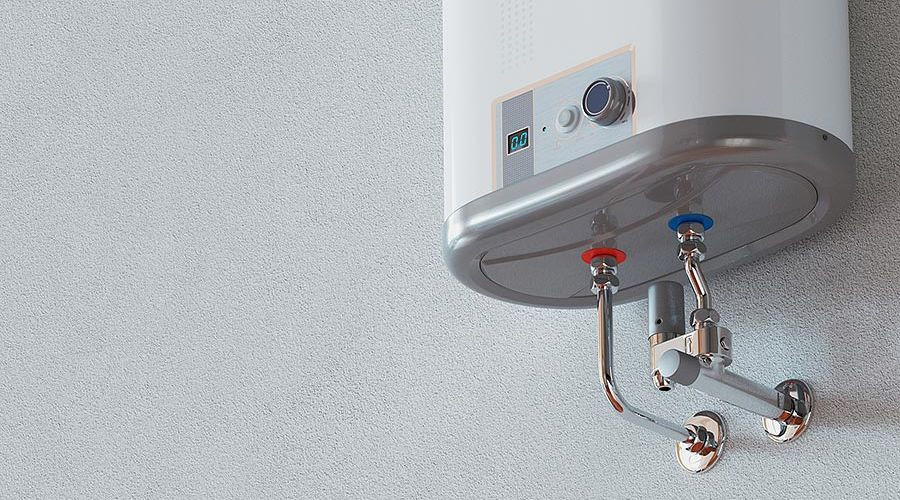
It’s common to take a water heater for granted until something goes wrong. The effects of a problem that escalates into an emergency might go far beyond the loss of hot water. If emergency water heater problems are not resolved right away, they might cause serious and costly damage to your house. These issues, which may range from structural degradation to concealed leaks, can spread swiftly and impact many parts of your house.
Homeowners may take quicker action, lower repair costs, and safeguard their living areas from long-term damage by being aware of how emergency water heater failures affect houses.
Emergency Water Heater Problems Can Cause Immediate Water Damage
Water damage from a water heater emergency is one of the most frequent and damaging consequences. Large amounts of water may be released quickly from a burst tank, malfunctioning valve, or fractured connection. This water quickly seeps under foundations, into buildings, and over floors. Gravity exacerbates the problem by enabling water to seep into ceilings and lower floors in houses when the water heater is situated in an attic, closet, or higher floor.
Damaged insulation, soaked drywall, and damaged flooring are often the first obvious symptoms. But hidden areas might sometimes get flooded, causing issues long after the emergency seems to be over.
Structural Damage May Emerge Rapidly
Structural damage is a major issue when water heater leaks go undiscovered or are not remedied very often. Moisture absorption weakens the structural integrity of wooden subfloors, support beams, and framing over time. Long-term exposure may cause important structural elements to deform, fracture, or even decay.
Even concrete foundations might be damaged. Erosion, fractures, and long-term stability problems might result from standing water at a home’s base. If action is not taken, what starts off as a minor water heater issue might develop into significant structural repairs.
Growth Of Mold And Mildew Endangers Indoor Air Quality
The ideal conditions for the development of mold and mildew are created by the moisture caused by emergency water heater problems. After being exposed to water, mold may start growing 24 to 48 hours later, usually in hidden places such as under floors or behind walls.
Mold spreads swiftly and emits spores into the atmosphere once it establishes itself. This degrades interior air quality in addition to damaging building materials. Residents may suffer from allergies, respiratory discomfort, or other health issues. Early action is essential since mold removal is expensive and disruptive.
Electrical Systems Are At Risk For Serious Safety Issues
Electricity and water together may be hazardous. Emergency water heater leaks raise the possibility of electrical shorts or fire dangers since they might reach adjacent electrical outlets, cabling, or appliances. Homeowners may need to turn off the electricity to impacted regions in extreme circumstances in order to avoid mishaps.
Electrical system damage often calls for expert assessment and repair. What can initially seem like a plumbing problem can easily escalate into a multi-system safety hazard.
Damage To Personal Belongings Adds To Losses
In garages, utility rooms, and other places where people store their personal belongings, a lot of water heaters are placed. Stored items, including clothes, tools, paperwork, electronics, and furniture, may all be destroyed by emergency leaks. Warping, corrosion, or mold contamination may result from humidity exposure, even for objects that are not immersed directly.
Replacing personal property exacerbates an already challenging situation by adding financial burden and emotional stress, making quick action even more crucial.
Over Time, Repair Costs Have Increased
Repair prices increase with the amount of time an emergency water heater problem is left unattended. Water damage may spread from small leaks. The cost of electrical work, structural repairs, and mold removal may soon mount up.
Emergency water heater Houston homeowners often find that taking quick action not only protects their property but also saves hundreds of dollars in preventable repairs. There is a reason emergency response services are in place: delays almost always result in more damage and expenses.
Final Thoughts
Problems with emergency water heaters are more than just a hassle. They seriously jeopardize the structural integrity, safety, and livability of your house. Delays in responding may lead to mold development, water damage, electrical dangers, and rising repair expenses.
Damage may be minimized most effectively by being proactive, knowledgeable, and prepared. In an emergency involving a water heater, prompt action might be the difference between a little repair and a full house restoration.
If you want to know more about How to Prep Your Home Before Your New Windows Arrive, then visit our Home Improvement category.
For more tips on skin care before tanning, check out How to Prep Skin Before Tanning 3 Most Important Steps.
