


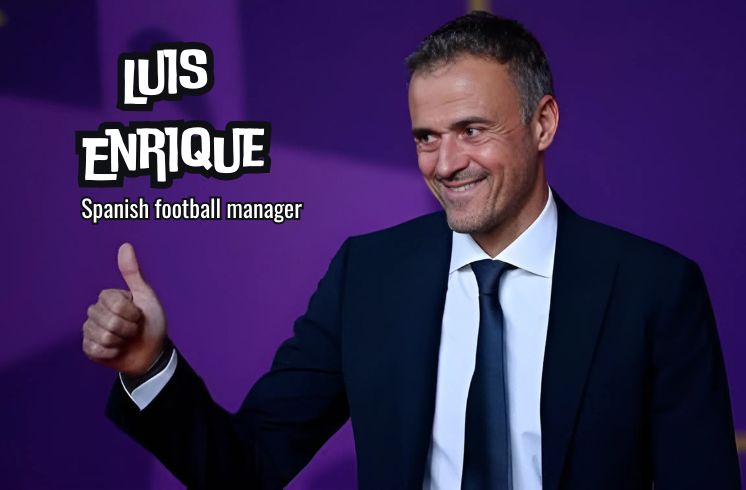
Few names resonate in the world of football like Luis Enrique. As a dynamic player and a tactically astute coach, his influence spans decades and continents. In this article, we dive deep into the life, career, and impact of Luis Enrique, shedding light on how he shaped modern football both on and off the field.
Early Life and Playing Career
Born on May 8, 1970, in Gijón, Spain, Luis Enrique Martínez García—known simply as Luis Enrique—began his football journey at a young age. He joined the youth ranks of Sporting Gijón, where his inherent talent quickly caught the eyes of scouts and coaches.
Luis Enrique’s versatility was one of his defining traits as a player. Whether deployed as a midfielder or forward, he demonstrated remarkable stamina, technical skill, and a powerful shot. After progressing through the Sporting Gijón youth system, he made his professional debut in 1989.
His impressive performances earned him a move to Real Madrid in 1991. Luis Enrique spent five seasons with Los Blancos, developing into one of La Liga’s most promising talents. Yet, it was his subsequent transfer to arch-rivals FC Barcelona in 1996 that truly defined his playing legacy.
At Barcelona, Luis Enrique flourished, becoming a fan favorite thanks to his work rate, determination, and knack for scoring important goals. He was part of the iconic “Dream Team” era under legendary coach Johan Cruyff and later under Louis van Gaal. Over the next eight seasons, Luis Enrique played more than 300 matches and won numerous titles with the Catalan club, including La Liga and Copa del Rey trophies.
International Career Highlights
Luis Enrique was also a prominent figure in the Spanish national team. Earning over 60 caps from 1991 to 2002, he participated in major international tournaments such as the UEFA European Championship and the FIFA World Cup.
While Spain did not achieve major success during his tenure, Luis Enrique’s contribution was invaluable in laying a foundation for future generations. His professionalism and leadership inspired many young players who later propelled Spain to global football supremacy.
Transition to Coaching
After retiring from professional play, Luis Enrique seamlessly transitioned into coaching. His deep understanding of the game and strong leadership qualities made him a natural choice for managerial roles. He began coaching Barcelona’s youth teams and later served as an assistant coach before taking the helm of the first team.
Luis Enrique’s early coaching career was marked by learning and adaptation. He managed clubs like AS Roma in Italy and Celta Vigo back in Spain, where he gained valuable experience handling diverse squads.
Managing FC Barcelona: A Transformational Era
In 2014, Luis Enrique was appointed head coach of FC Barcelona during a period of transition. Taking charge of a squad featuring Lionel Messi, Neymar, and Luis Suárez—famously known as “MSN”—he implemented a high-intensity, possession-based playing style that combined tactical discipline with attacking flair.
Under Luis Enrique’s guidance, Barcelona achieved remarkable success. In the 2014-2015 season, they won the treble: La Liga, Copa del Rey, and the UEFA Champions League. This feat underscored Luis Enrique’s capability to manage egos and bring out the best in his players.
His coaching approach emphasized flexibility and adaptability. While maintaining Barcelona’s traditional emphasis on ball retention, Luis Enrique also introduced more direct attacking patterns and utilized tactical rotations to keep his squad fresh.
Read More: Melissa Cohen Biden: A Profile of the Activist and First Lady by Marriage
Luis Enrique’s Coaching Philosophy
Luis Enrique believes in a balanced approach to football management. His philosophy blends rigorous physical preparation, mental toughness, and tactical versatility. He encourages players to take initiative on the field while ensuring the collective defensive structure remains solid.
Communication is another pillar of his management style. Luis Enrique is known for fostering a positive team environment where players feel motivated and united around common goals.
Recent Career and Legacy
After leaving Barcelona in 2017, Luis Enrique took a brief hiatus from coaching. In 2018, he was appointed the head coach of the Spanish national team. His tenure with La Roja saw Spain regain its competitive edge, blending emerging young talents with experienced stars.
Throughout his managerial career, Luis Enrique has demonstrated resilience and adaptability, navigating challenges on and off the pitch. His impact on Spanish football—both as a pioneering player and innovative coach—has cemented his place among the greats of the sport.
Conclusion
The story of Luis Enrique is one of passion, talent, and relentless dedication. From his early days in Gijón to the pinnacle of European football, he has showcased remarkable versatility and leadership. Whether inspiring teammates on the field or guiding players from the sidelines, Luis Enrique continues to shape the future of football with his vision and expertise.
For fans and aspiring football professionals alike, Luis Enrique’s career offers valuable lessons on adaptability, teamwork, and perseverance—qualities that transcend the sport itself.
Apart from this, if you are interested to read an amazing article on Jennifer Lawrence Baby Name , then visit our Entertainment category.
