


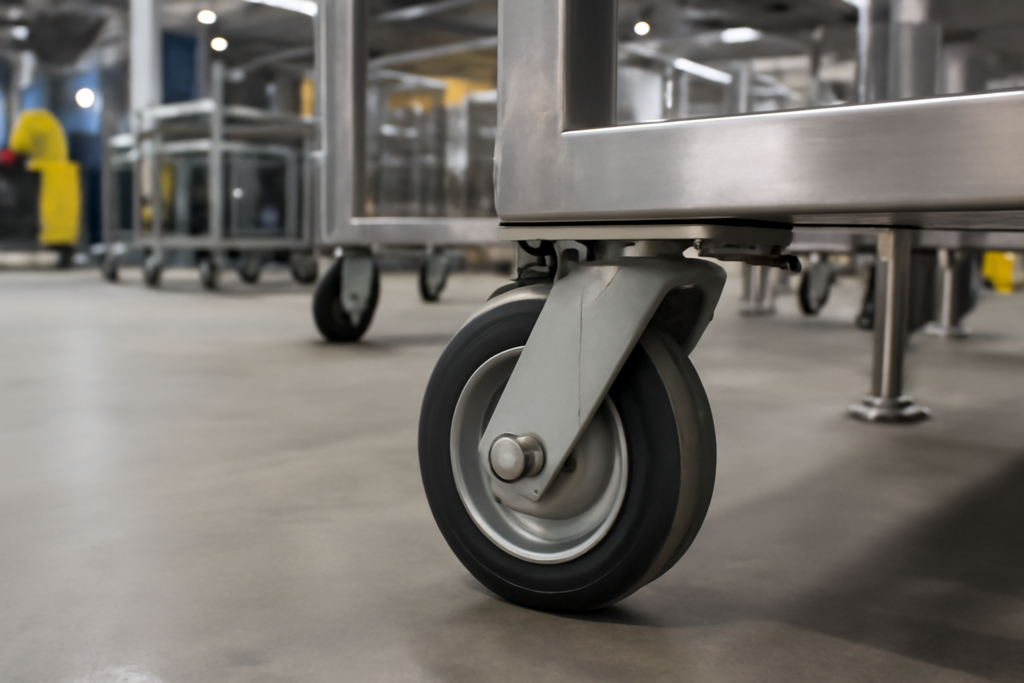
In modern manufacturing environments, efficiency is key to remain competitive and maintain profitability. Companies are constantly looking for ways to streamline operations, reduce costs, and improve overall productivity. One often overlooked but crucial factor in achieving these goals is the selection of the right casters and wheels. Casters, particularly swivel casters, can significantly impact workflow optimization, as they enable the smooth movement of materials, equipment, and goods throughout manufacturing facilities.
In this article, we will explore the various factors that affect workflow efficiency, how casters can optimize these factors, and the challenges manufacturers face when selecting the right casters. By examining these elements, we aim to provide a comprehensive understanding of the role casters play in enhancing manufacturing operations.
The Role of Casters in Manufacturing Workflow
Casters are an essential component in virtually every aspect of material handling and transport within a manufacturing plant or warehouse. These wheels are mounted to equipment, carts, and storage racks, facilitating their movement across floors. The correct choice of caster can drastically reduce the amount of time and energy spent moving goods from one location to another, ultimately enhancing the overall efficiency of manufacturing operations.
Swivel casters, which allow for 360-degree rotation, are particularly valuable in manufacturing environments where space is limited or when precise maneuvering is necessary. Their ability to pivot enables greater flexibility in tight spaces, enhancing productivity by reducing the time workers spend maneuvering bulky equipment or inventory. Conversely, rigid casters, which do not rotate, provide stability and are ideal for straight-line movement, but they do not offer the same level of maneuverability as swivel casters.
Key Factors That Impact Workflow Efficiency
When selecting casters for a manufacturing facility, it is important to consider various factors that can impact workflow optimization. These factors include load capacity, the nature of the floor surface, speed and maneuverability, and the specific requirements of the tasks being performed.
Load Capacity and Durability
The first and foremost consideration when choosing casters is load capacity. Casters must be able to handle the weight of the materials or equipment being transported without compromising the safety of workers or causing damage to the caster itself. Selecting a caster with an inadequate load rating can lead to breakdowns, excessive wear, and frequent replacements, all of which hinder manufacturing efficiency.
Durability is closely tied to load capacity. High-quality casters are designed to withstand the stresses and strains of heavy-duty operations. Manufacturers must consider the type of material the casters are made from, as well as the wheel construction, to ensure that they can support the necessary weight without deteriorating prematurely.
Floor Surface and Environment
Manufacturing plants feature a wide range of floor surfaces, from smooth concrete to rough, uneven surfaces. The type of floor in a facility directly affects the performance of casters. For example, casters designed for smooth floors are not suitable for harsh, uneven surfaces, as they can become damaged more easily and reduce overall efficiency.
The environment in which the casters will be used is another critical consideration. For instance, in food processing or pharmaceutical manufacturing, cleanability and hygiene are paramount. Casters made from materials that can withstand frequent washing and exposure to harsh cleaning agents are essential in these industries.
Additionally, certain environments may expose casters to extreme temperatures, chemicals, or corrosive materials. Casters designed to resist these elements, such as stainless steel casters or those with specialty coatings, will significantly improve the longevity and performance of equipment in challenging environments.
Speed and Maneuverability
Efficiency in manufacturing is not only about speed but also about the ease with which materials and products are moved. The right casters can significantly enhance the speed and maneuverability of carts, pallets, and other movable equipment. For example, swivel casters allow workers to change direction quickly, which is particularly valuable in busy environments with high traffic flow.
While speed is essential, it must be balanced with safety. High-speed movement can lead to accidents or damage to goods if equipment is not properly controlled. Therefore, manufacturers must carefully balance the need for speed with the need for safety and stability in their equipment.
Task-Specific Requirements
Different tasks in manufacturing may require specific caster features to optimize performance. For example, if a manufacturing facility involves moving heavy machinery or oversized equipment, casters with larger wheels and higher weight capacities will be necessary. Conversely, for tasks involving lighter loads or small parts, smaller casters may be sufficient.
Manufacturers must also consider the ergonomic needs of their workers. Caster designs that reduce strain on workers, such as shock-absorbing casters, can improve overall operational efficiency. Additionally, some applications may require casters with specialized features, such as locking mechanisms to secure carts in place or brakes to prevent accidental movement.
Trade-Offs in Selecting the Right Casters
Selecting the optimal caster for a manufacturing operation is not always straightforward. Manufacturers often face trade-offs between different factors, such as cost, performance, and durability. Understanding these trade-offs is crucial in making an informed decision that maximizes workflow efficiency.
Cost vs. Durability
In some cases, manufacturers may opt for lower-cost casters to reduce upfront expenses. While this may seem like a cost-effective solution initially, it can lead to higher long-term costs due to frequent replacements, maintenance, and potential downtime. On the other hand, investing in high-quality, durable casters may incur a higher upfront cost but will pay off in the long run by reducing maintenance needs and increasing operational uptime.
Speed vs. Stability
Another common trade-off in caster selection is between speed and stability. Swivel casters provide exceptional maneuverability and speed but may sacrifice some stability, particularly when handling heavy loads. Rigid casters, while offering better stability and load-bearing capacity, may limit the speed and flexibility of material movement. Manufacturers must assess their specific needs and balance the trade-offs accordingly to achieve the optimal level of efficiency for their operations.
Customization vs. Standardization
While standard casters may work well for most general applications, certain manufacturing processes may require customized caster solutions. Custom casters can be tailored to meet specific load-bearing requirements, environmental conditions, or ergonomic needs. However, customized solutions often come with higher costs and longer lead times. Manufacturers must weigh the benefits of customization against the convenience and cost-effectiveness of standard caster options.
Challenges in Workflow Optimization Through Caster Selection
Despite the clear benefits that the right casters can bring to manufacturing workflow optimization, selecting the correct caster for every application is not without its challenges. Manufacturers often face the following issues when making caster decisions:
Compatibility Issues
One of the most common challenges is ensuring that casters are compatible with existing equipment or machinery. Casters need to fit properly and be securely mounted to the equipment in order to function effectively. In some cases, manufacturers may need to retrofit their equipment to accommodate specific casters, which can add time and cost to the process.
Ongoing Maintenance and Upkeep
Even the best casters require ongoing maintenance to ensure optimal performance. Over time, casters may become worn, requiring replacements or repairs. Regular inspections and maintenance are necessary to identify potential issues before they lead to equipment breakdowns or safety hazards. Manufacturers must invest in training workers to properly maintain and replace casters to minimize downtime and maximize efficiency.
Environmental Factors
As mentioned earlier, environmental conditions such as exposure to chemicals, extreme temperatures, or rough terrain can significantly affect the performance of casters. Manufacturers must carefully consider the environmental factors in their facility when selecting casters to ensure that they are suitable for the specific conditions.
The Impact of the Right Casters on Manufacturing Efficiency
When manufacturers select the right casters for their operations, the benefits extend far beyond simply improving workflow. The right casters can lead to significant cost savings, improved safety, and increased productivity, all of which contribute to a more efficient manufacturing process.
Casters that are optimized for the specific requirements of a manufacturing facility can reduce downtime by improving the efficiency of material handling and transport. With fewer breakdowns, fewer replacements, and faster handling times, workers are able to focus on more important tasks, ultimately improving the throughput of the manufacturing operation.
Furthermore, the right casters can reduce the risk of workplace injuries. Casters that are designed with ergonomic considerations in mind, such as shock-absorbing features, can reduce strain on workers and minimize the risk of repetitive stress injuries. Additionally, swivel casters that enhance maneuverability allow for smoother, more controlled movements, reducing the likelihood of accidents in high-traffic areas.
Wrapping Up
Maximizing manufacturing efficiency requires careful consideration of many factors, from load capacity to environmental conditions to ergonomics. Casters, particularly swivel casters, play a critical role in optimizing workflow by enabling smooth, efficient material handling and transport. By selecting the right casters for the job, manufacturers can reduce downtime, minimize maintenance costs, and enhance worker safety.
However, selecting the optimal caster is not without its challenges. Manufacturers must balance factors such as cost, performance, and durability, and carefully consider the specific needs of their operations. The trade-offs involved in caster selection require a comprehensive understanding of the operational environment and a thoughtful approach to decision-making.
Ultimately, when manufacturers make informed decisions about their caster selection, they can enjoy long-term benefits, including improved efficiency, reduced costs, and enhanced safety—key ingredients for achieving success in today’s competitive manufacturing landscape.
