


Managing a property goes far beyond collecting rent and maintaining the grounds. Property managers play a critical role in ensuring that buildings, work sites, and residential communities remain safe, clean, and functional for tenants, employees, and visitors. With increasingly stringent regulatory requirements and rising expectations from occupants, the standards surrounding safety and cleanliness have become central to a manager’s responsibilities.
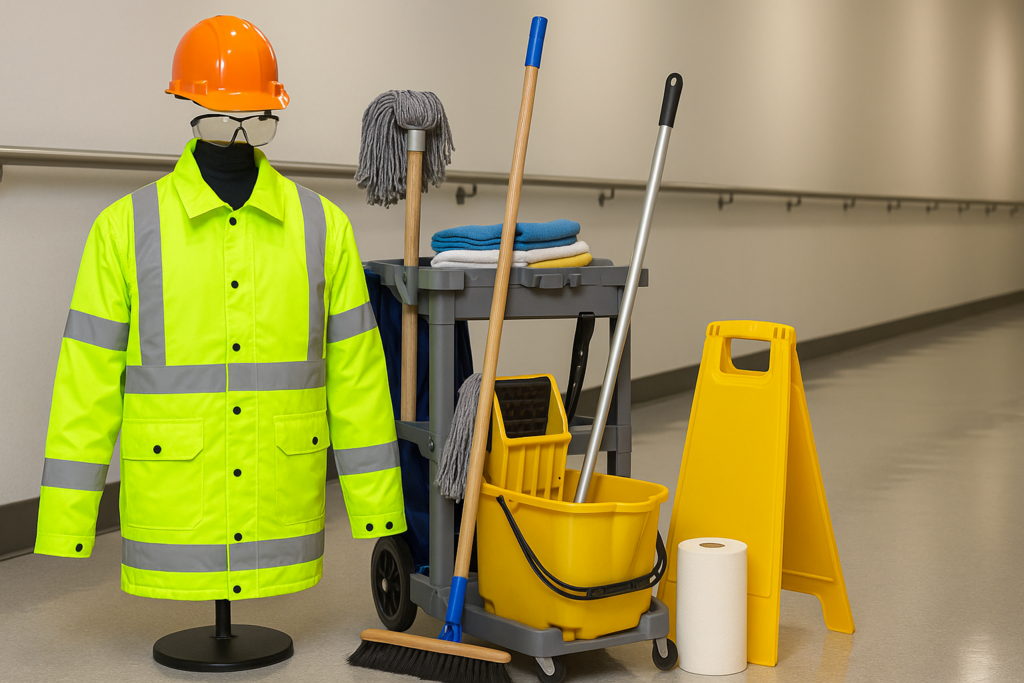
Among the many measures that define these standards, two areas stand out: providing proper safety gear such as high visibility clothing for staff working in potentially hazardous environments, and maintaining access to a reliable janitorial supply chain for routine and deep cleaning needs. These two categories may seem unrelated at first, but together they represent the broader obligations of a property manager: protecting people and preserving property value.
This article will provide a comprehensive analysis of the key factors that influence safety and cleanliness standards. It will also examine the trade-offs that property managers face when implementing these standards, the challenges that come with different approaches, and the broader impacts that decisions in these areas can have on both short-term operations and long-term outcomes.
The Interconnected Role of Safety and Cleanliness in Property Management
Safety and cleanliness are often viewed as separate priorities. Safety deals with preventing accidents, while cleanliness addresses hygiene and appearance. In reality, they are deeply connected. A workplace or residential complex that is poorly maintained increases the risk of accidents. Slippery floors, cluttered hallways, and unsanitary restrooms are all hazards that compromise health and safety. Conversely, environments where safety practices are neglected can quickly undermine cleanliness efforts. For example, failure to provide protective gear for maintenance staff may expose them to cleaning chemicals, creating health risks and potential contamination.
Property managers who treat these responsibilities as interconnected rather than isolated are better positioned to create an environment where tenants feel secure, employees can work productively, and compliance standards are consistently met.
Key Safety Standards in Property Management
Personal Protective Equipment (PPE) and Visibility Gear
For many properties, especially large residential communities, commercial complexes, or construction project staff members are often required to work in conditions where visibility and protection are essential. Maintenance personnel, groundskeepers, or contractors working near roads or in dimly lit areas need visibility gear to remain safe. Providing workers with hi-vis clothing, reflective safety wear, and other protective apparel is not simply a matter of best practice but often a regulatory requirement.
The trade-off property managers face here is cost versus compliance. High quality protective gear can be expensive, especially when outfitting a large workforce, but cutting corners increases liability risks. If an accident occurs and the staff member is not equipped with the proper high visibility workwear, property managers may face legal repercussions and reputational damage.
Emergency Preparedness and Equipment
Every property manager must ensure that emergency equipment is accessible, functional, and regularly inspected. This includes fire extinguishers, sprinklers, smoke alarms, emergency lighting, and first-aid kits. The challenge lies in maintaining these systems without overspending on redundancies. Over-investing in equipment that is rarely used can feel like wasted resources, but under-preparation leaves the property vulnerable in emergencies. The balance often involves risk assessment: evaluating the property’s unique hazards to determine the level of preparedness required.
Training and Safety Culture
Safety measures only work if people understand and adhere to them. Property managers must invest in training programs that teach staff how to use equipment correctly, follow evacuation plans, and comply with workplace safety laws. Developing a safety-first culture takes time and consistent reinforcement, and it often requires trade-offs in productivity. Training sessions take employees away from daily tasks, which can slow operations temporarily, but the long-term payoff is fewer accidents and lower liability costs.
Cleanliness Standards and Facility Hygiene
Regular Cleaning Programs
Cleanliness in property management extends beyond surface-level presentation. A clean property reduces the spread of illness, prevents pest infestations, and maintains the value of the building. To achieve this, property managers must implement structured cleaning programs, whether through in-house staff or contracted services.
The challenge lies in determining the scope and frequency of these programs. More frequent cleanings mean higher labor and supply costs, but less frequent cleanings can lead to tenant dissatisfaction and potential health code violations. Property managers must weigh these trade-offs while considering the type of property they manage. For example, high-traffic commercial properties often require daily sanitation, while smaller residential complexes may not.
Dependable Supply Chains
Reliable access to janitorial products, cleaning supplies, and sanitation supplies is essential. A disruption in the supply chain can cause immediate operational problems, such as running out of disinfectants during flu season or lacking proper floor-cleaning solutions after storms. This reliance on consistent sourcing highlights the need for property managers to establish relationships with dependable suppliers who can meet demand even during supply chain disruptions.
However, relying heavily on a single supplier presents its own risks. Diversifying vendors or maintaining an inventory buffer can reduce vulnerability, but doing so requires higher storage costs and greater organizational oversight.
Green Cleaning and Sustainability
More tenants and businesses are prioritizing environmentally friendly practices, and property managers are under increasing pressure to adopt sustainable cleaning programs. Green cleaning products reduce chemical exposure and have an environmental impact but often come at a higher price point and may require staff retraining to use effectively. The trade-off here involves balancing sustainability goals with cost management and performance expectations. Property managers must carefully evaluate whether eco-friendly cleaning products perform as effectively as traditional ones and whether tenants are willing to pay a premium for sustainable practices.
The Overlap Between Safety and Cleanliness
While safety and cleanliness can be addressed separately, property managers often benefit from viewing them through a combined lens. For instance, ensuring that hallways remain clear of clutter not only improves cleanliness but also reduces tripping hazards. Similarly, maintaining hygienic restrooms prevents the spread of disease while meeting regulatory health requirements.
One area of overlap is staff uniforms and workwear. Uniforms that incorporate reflective safety wear can serve dual purposes: keeping workers visible during maintenance tasks while also projecting a clean, professional image. In the same way, safe handling of cleaning supplies minimizes accidents and ensures that hygiene standards are consistently met.
Recognizing this overlap allows property managers to streamline their approach, often saving money and resources by addressing multiple objectives with the same initiative.
Trade-Offs in Implementing Standards
Cost Versus Quality
Perhaps the most common challenge property managers face is the tension between keeping costs manageable and ensuring quality. High quality safety equipment and cleaning programs require investment. Tenants, owners, and boards may resist budget increases, pressuring managers to find lower-cost alternatives. While short-term savings may appease stakeholders, the long-term costs of accidents, liability, and tenant dissatisfaction can outweigh any initial financial relief.
Standardization Versus Flexibility
Another challenge lies in standardizing safety and cleanliness protocols across different properties while still allowing flexibility for unique circumstances. For example, a commercial office tower may require different safety protocols compared to a residential apartment complex. Applying the same rules across all properties can simplify oversight but may overlook site-specific needs. Flexibility allows for tailored solutions but increases complexity in training, record-keeping, and enforcement.
In-House Versus Outsourced Services
Property managers must also decide whether to keep safety and cleaning responsibilities in-house or outsource them to third-party providers. In-house teams offer more control and potentially lower costs over time, but they require consistent training, benefits, and supervision. Outsourcing provides expertise and convenience but can reduce oversight and introduce risks related to contractor reliability.
Challenges in Meeting Safety and Cleanliness Standards
Regulatory Complexity
Safety and cleanliness standards are governed by multiple layers of regulation, including federal, state, and local codes. For example, OSHA regulations dictate workplace safety requirements, while health departments may enforce hygiene standards. Property managers must stay informed and adapt their practices accordingly, a task that can become overwhelming without professional support.
Tenant Expectations
Modern tenants expect more than the bare minimum. They want clean, safe environments that align with broader lifestyle values, such as sustainability. Meeting these expectations often requires investments in technology, from air filtration systems to digital reporting tools for maintenance. The challenge for managers is balancing these expectations with budget constraints while still meeting regulatory requirements.
Workforce Management
Staff shortages, high turnover, and varying skill levels present ongoing challenges. Training new employees repeatedly can be costly, while relying on temporary staff may reduce consistency. Maintaining a dedicated workforce that understands both safety and cleanliness standards is critical, but it requires sustained investment in human resources.
The Impact of Decisions in Safety and Cleanliness
The decisions property managers make regarding safety and cleanliness impact not only daily operations but also the long-term value of the property.
- Tenant Retention: Clean, safe environments attract tenants and encourage them to stay longer, reducing vacancy rates.
- Reputation: A property known for cleanliness and safety enhances the reputation of both the property itself and the management company.
- Liability: Proper safety measures reduce the likelihood of accidents, protecting owners from costly lawsuits.
- Operational Efficiency: Structured cleaning and safety programs reduce downtime from emergencies or unscheduled repairs.
- Sustainability and Marketability: Properties with eco-friendly practices often appeal to a broader market, especially in competitive real estate sectors.
Failing to prioritize these standards can lead to tenant dissatisfaction, regulatory fines, and diminished property value. Conversely, consistent investment in safety and cleanliness pays dividends in operational reliability, financial stability, and stakeholder trust.
Wrapping Up
Safety and cleanliness are not just regulatory requirements for property managers; they are strategic priorities that shape the long-term success of every property. From equipping staff with proper hi-vis clothing to ensuring that janitorial products are always available, the standards a manager enforces impact on the daily lives of tenants, the well-being of employees, and the financial outlook of property owners.
The path to achieving these standards is not without its challenges. Property managers must navigate trade-offs between cost and quality, standardization and flexibility, and in-house versus outsourced services. They must also adapt to changing regulations, evolving tenant expectations, and the realities of workforce management.
Ultimately, the most successful property managers are those who view safety and cleanliness not as burdens but as opportunities to enhance property value, tenant satisfaction, and operational resilience. By prioritizing these standards thoughtfully and consistently, they lay the groundwork for long-term stability and growth in an increasingly competitive real estate environment.
