


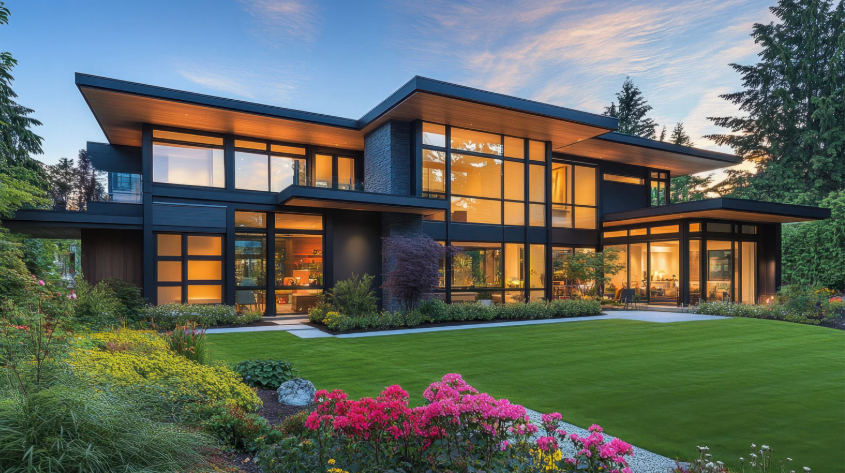
A truly captivating garden is more than just a collection of beautiful plants; it is a carefully composed work of art. The secret to creating a landscape that feels lush, dynamic, and visually interesting is the technique of layering. This design principle involves arranging plants in successive tiers based on height, texture, and color to create a sense of depth and complexity. An expert in landscape design in Atlanta can transform a flat, one-dimensional yard into a rich, multidimensional outdoor experience that draws the eye and invites exploration.
Creating a Foundation with a Strong Backdrop
Every great composition needs a background. In landscaping, this is the tallest layer, providing a structural framework that defines the garden’s boundaries and gives it a sense of permanence. This foundational layer typically consists of tall evergreen trees, large shrubs, or architectural elements like fences and walls. These components serve multiple purposes: they screen for privacy, block unsightly views, and create a verdant canvas against which the other layers can stand out. By establishing a strong backdrop, a designer sets the stage for the rest of the garden, ensuring that the space feels cohesive and well-defined.
Building Interest with Midground Plantings
Once the background is in place, the next step is to add the middle layer. This is where much of the garden’s character and personality come to life through a diverse mix of plants.
This layer includes medium-sized shrubs, ornamental grasses, and taller perennial flowers. The goal here is to bridge the gap between the tall background elements and the lower plants at the front. Designers use this midground to introduce varied forms, textures, and colors that create visual rhythm and flow. This is also where seasonal interest can be highlighted, with flowering shrubs providing spring blooms and ornamental grasses adding texture in the fall and winter. As you consider this investment, it is helpful to understand how professional design boosts property value.
Adding Detail and Finishing Touches
The final layer is the foreground, which acts as the welcoming edge of the garden bed. This is where the fine details and textures are most visible, inviting a closer look.
This front tier is composed of low-growing perennials, groundcovers, and annuals. These plants soften the edges of pathways and garden beds, suppress weeds, and provide a splash of color at eye level. successful foreground planting helps to unify the entire composition, tying the taller layers together into a seamless whole. This is the layer that greets visitors up close, so careful selection of foliage and flowers is essential for making a strong first impression.
The Importance of Professional Composition
Achieving a beautifully layered landscape requires more than just planting tall things in the back and short things in the front. It demands a deep understanding of plant growth habits, light requirements, and the principles of design.
A professional designer considers how the garden will evolve through the seasons and over the years. They select plants that will not only coexist harmoniously but also mature into their intended roles within the layered structure. This foresight prevents the common problem of fast-growing plants overwhelming slower ones, ensuring the design remains balanced and beautiful for the long term.
Conclusion
Layered landscaping is a sophisticated technique that transforms an ordinary yard into an extraordinary garden. By strategically arranging plants in distinct background, middle, and foreground tiers, a designer creates a space with unparalleled depth, texture, and visual interest. This thoughtful approach results in a dynamic, living composition that offers something new to discover with each passing season. It is this artful layering that turns a simple outdoor space into a breathtaking and immersive natural retreat.
Want to know about How to Use Mirrors to Instantly Make Any Room Feel Bigger Check out our Home improvement category.
