


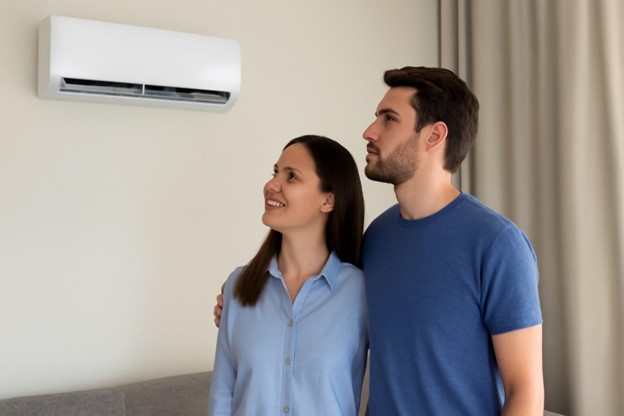
When it comes to cooling your home efficiently, the type of air conditioning system you choose can have a significant impact on both comfort and energy consumption. For those living in smaller homes, space efficiency, cost-effectiveness, and versatility are key considerations. One solution that has gained popularity in recent years is the Mitsubishi mini split system. This ductless option offers many advantages over traditional air conditioning systems, making it an excellent choice for homeowners looking to upgrade their cooling setup.
In this article, we will provide an in-depth analysis of why Mitsubishi mini split are becoming the preferred choice for small homes, explore their benefits, and discuss the trade-offs involved in selecting the right air conditioning system for your space. We will also look at the challenges homeowners might face when transitioning from a traditional AC system to a more modern solution like the Mitsubishi ductless AC and how to navigate those challenges effectively.
What is a Mitsubishi Mini Split System?
A Mitsubishi mini split system is a type of air conditioning system that does not require ducts to cool the air. Instead, it uses an outdoor compressor unit connected to one or more indoor air-handling units via refrigerant lines. This setup allows for targeted cooling in specific rooms or zones of your home, making it highly energy-efficient and adaptable to various needs.
Mini splits, such as the Mitsubishi ductless system, offer a range of features, including quiet operation, energy savings, and flexibility. Unlike traditional air conditioning unit, which typically require complex ductwork to distribute cool air throughout the home, Mitsubishi ductless AC systems can be installed with minimal disruption to existing structures. The small indoor units can be mounted on walls, ceilings, or floors, providing cooling where it’s needed most.
Why Choose a Mitsubishi Mini Split for Small Homes?
When it comes to cooling a smaller living space, homeowners are often faced with the challenge of balancing comfort, cost, and energy efficiency. Traditional air conditioning systems, while effective, can be overkill for smaller homes, especially when it comes to installation, maintenance, and long-term energy costs. This is where Mitsubishi ductless systems stand out as a practical and effective alternative.
1. Space Efficiency
One of the main reasons Mitsubishi ductless AC are ideal for small homes is their space-saving design. Traditional air conditioning systems require extensive ductwork, which can take up valuable space in your walls or attic. In contrast, a Mitsubishi ductless system uses thin refrigerant lines that can be easily concealed, saving space and allowing you to maintain the integrity of your home’s layout.
For small homes, where every square inch counts, this space-saving feature can make a huge difference. Additionally, the compact design of the Mitsubishi ductless AC units means they don’t take up floor space, making them an unobtrusive addition to your home’s aesthetic.
2. Energy Efficiency
Mitsubishi mini split systems are well-known for their high energy efficiency. Unlike traditional air conditioning systems that constantly cycle on and off, a mini split system uses inverter technology to adjust the compressor speed to match the cooling demand. This means it operates at a more consistent, optimal level, consuming less energy and reducing overall electricity usage.
For homeowners who are looking to cut down on energy costs while maintaining a comfortable living environment, the Mitsubishi ductless system is an attractive option. Its energy-efficient design is particularly beneficial for smaller homes, where cooling needs are typically lower but still require a consistent temperature.
3. Zoning Capabilities
Another benefit of Mitsubishi ductless AC is their zoning capabilities. A mini split system allows for multiple indoor units to be connected to a single outdoor unit, each controlled independently. This means that you can cool different rooms or areas of your home to different temperatures, depending on usage. For instance, if you spend most of your time in the living room, you can focus the cooling on that room while leaving other areas at a higher temperature.
For small homes, this zoning flexibility is a game-changer. It allows homeowners to only cool the spaces that are in use, which improves energy efficiency and reduces cooling costs. Additionally, the ability to create personalized comfort zones is an attractive feature for families with varying preferences for temperature.
4. Quiet Operation
Traditional air conditioning units can often be noisy, with the compressor and fan producing disruptive sounds. In contrast, Mitsubishi ductless AC systems are known for their quiet operation. The indoor units are designed to operate at low noise levels, making them ideal for small homes where noise can be more noticeable. Whether you’re working, relaxing, or sleeping, a Mitsubishi mini split system can provide cooling without disturbing the peace of your home.
This is particularly important in smaller spaces where the proximity of the AC unit to living areas means that noise can quickly become a nuisance. With the Mitsubishi ductless system, you can enjoy a cooler home without the constant hum of traditional air conditioners.
5. Easy Installation
Installing a traditional air conditioning system can be a complex and invasive process, especially in homes without existing ductwork. The installation of ductwork requires significant modifications to walls, ceilings, and floors, making the process expensive and time-consuming. In contrast, Mitsubishi ductless AC are easier and faster to install. The refrigerant lines are small and require only a small hole in the wall, making the installation process far less disruptive.
For homeowners in smaller homes, where the space for installation might be limited, this ease of installation is a major advantage. There’s no need to worry about tearing down walls or disrupting existing interiors, making Mitsubishi ductless AC an ideal solution for quick and hassle-free air conditioning.
Trade-offs and Considerations When Choosing a Mitsubishi Mini Split System
While the Mitsubishi ductless AC system offers many benefits, it’s important to consider the potential trade-offs involved in choosing this type of air conditioning system.
1. Initial Cost
One of the primary considerations when opting for a Mitsubishi mini split is the initial cost. Although the long-term energy savings can offset the higher upfront costs, the initial installation price of a mini split system tends to be more expensive than a traditional air conditioning unit. This is due to the cost of the equipment and the specialized installation required.
However, for homeowners willing to invest in the long-term benefits of energy efficiency and space-saving, the higher upfront cost can be justified. It’s also important to factor in available rebates, incentives, and financing options that can help reduce the financial burden.
2. Maintenance
Another factor to consider is the maintenance requirements of Mitsubishi ductless AC. While they generally require less maintenance than traditional air conditioning systems, they do still need regular cleaning and occasional servicing. For example, the filters in the indoor units need to be cleaned regularly, and the outdoor compressor unit should be inspected to ensure proper functioning.
For homeowners who prefer low-maintenance systems, a Mitsubishi ductless system might require a bit more attention compared to window units or other less complex systems. However, the minimal maintenance requirements are still far less than the upkeep needed for traditional central AC systems with ductwork.
3. Aesthetics
Although Mitsubishi ductless AC are designed to be sleek and modern, some homeowners may find the appearance of the indoor units a bit out of place with their home decor. While the compact design makes them less intrusive, the units are still visible and mounted on the wall or ceiling, which may not suit every homeowner’s aesthetic preferences.
Challenges in Transitioning from a Traditional Air Conditioning System
If you are considering replacing an older air conditioning system with a Mitsubishi mini split system, there are a few challenges to keep in mind:
- Space Planning: While Mitsubishi ductless AC units are space-efficient, they do still need to be placed in a strategic location to ensure proper airflow. Homeowners might need to make adjustments to the room layout to accommodate the new system.
- Professional Installation: To ensure that your Mitsubishi mini split system works properly, it’s crucial to hire a licensed professional for installation. Improper installation can lead to inefficiencies, higher energy bills, and a shorter lifespan for the system.
- System Compatibility: In some cases, homeowners may need to upgrade their electrical system to support the demands of a Mitsubishi ductless system. This can add additional costs and time to the installation process.
Final Thoughts
In summary, Mitsubishi mini split systems offer a range of benefits that make them an excellent choice for small homes. From their space-saving design and energy efficiency to their quiet operation and easy installation, these systems provide significant advantages over traditional air conditioning systems. While the initial cost and maintenance requirements are factors to consider, the long-term benefits—such as improved comfort, reduced energy costs, and increased home value—make them a compelling option for homeowners.
As with any home improvement decision, it’s essential to weigh the trade-offs and challenges involved. By understanding the impact of your choice on both your home and your budget, you can make an informed decision that will benefit your home for years to come.
For those seeking efficient and modern solutions for their homes, both air conditioning and mobile app development are important considerations. Learn more about the top reasons to hire mobile app developers from India here.
For those seeking efficient and cost-effective technological solutions, you might also be interested in learning about the top reasons to hire mobile app developers from India.
